When choosing gym equipment, the quality of steel is crucial for safety and durability. An industry expert, Dr. Mark Johnson, emphasizes, “Identifying poor quality steel can prevent accidents and equipment failures.” This highlights the importance of knowing how to spot poor quality steel in gym equipment.
Many consumers overlook steel quality. The shiny exterior may be misleading. Real experts know to look for finer details. Weight, flexibility, and finish are vital indicators. Poor quality steel often feels lighter and may show rust or scratches more quickly.
Understanding these factors is essential for ensuring your workout environment is safe. Choosing the right equipment will enhance your experience and longevity of use. Always remember to ask questions and request information about the materials used in gym equipment. This knowledge is a key part of your buying process.
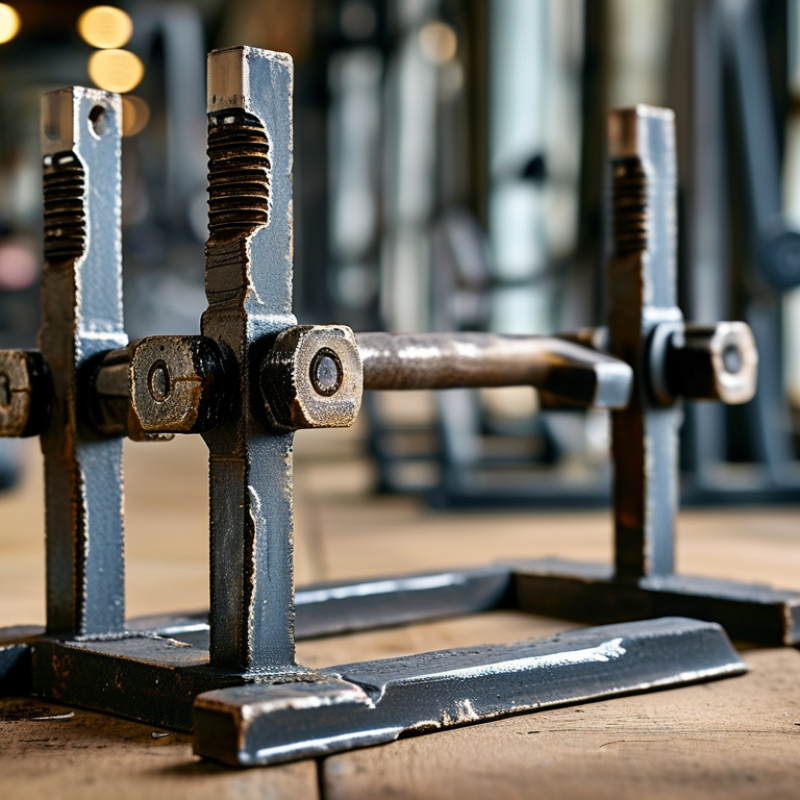
Quality steel is crucial in gym equipment. It impacts durability, safety, and performance. When gym equipment is made from poor quality steel, it can lead to serious risks. Weak frames may bend or break during use. This could cause injuries for users relying on the equipment for their workouts.
To assess steel quality, look for specific indicators. Check if the steel is rust-resistant. Poorly made steel often shows signs of corrosion quickly. Next, examine the welds and joints. Neat, strong welds indicate better craftsmanship. Weak or messy welds may signal a lack of attention to quality. Additionally, consider the weight of the equipment. Heavier equipment is often made of denser, higher quality steel.
Inspecting the finish is also important. A smooth, professional finish suggests careful manufacturing. Conversely, rough or uneven surfaces can point to inferior materials. While these factors provide guidance, some nuances may still need attention. Not all equipment is what it seems based only on looks. An informed decision goes a long way in ensuring safety and longevity in any gym setup.
When choosing gym equipment, recognizing poor quality steel is crucial. Common signs include visible rust or pitting on the surface.
Fitness equipment made from high-grade steel, such as stainless steel, is often more resistant to corrosion. Reports suggest that
equipment using low-quality alloys can deteriorate up to 30% faster. This deterioration not only affects the equipment's longevity
but also raises safety concerns.
Additional indicators of inferior steel include uneven welds or seams. High-quality steel products generally have consistent and
clean welds. Observing flaking or chipping paint can also signal subpar construction. Data from the Fitness Equipment Research
Institute indicates that machines with these defects are three times more likely to fail during use. Always inspect each piece
of equipment closely, even if it looks appealing on the surface. Trusting your instincts can save you from potential injury
and long-term disappointment.
Evaluating the quality of steel in gym equipment requires specific tests to ensure safety and durability. One method is visual inspection. Look for rust spots, uneven finishes, or weld inconsistencies. These can indicate poor quality or damage. Color variations might suggest different steel grades mixed together.
Another important test is tensile strength measurement. This involves applying force until the steel deforms. A high-quality steel should withstand significant pressure without bending or breaking. For gym equipment, it is crucial. A soft steel could lead to equipment failures over time, risking user safety.
Durability can be assessed through corrosion resistance tests. Salt spray testing simulates harsh environments. Inconsistent performances in this test suggest inferior materials. Sometimes, manufacturers may neglect these tests, leading to unreliable equipment. Look for detailed specifications from credible sources. Understanding these aspects enhances your knowledge as a consumer, allowing you to make more informed decisions. The right tools, paired with experience, can guide you to better choices in gym equipment.
This chart displays the results of testing various gym equipment samples for steel strength and durability. The metrics include tensile strength, yield strength, and elongation percentage, providing a clear insight into the quality of materials used in gym equipment.
When researching steel specifications for gym equipment, start by examining the material grade. Opt for steel that adheres to recognized standards like ASTM A36 or A992. These grades ensure ductility and strength, crucial elements in equipment durability. Equipment with low-quality steel often shows signs of wear and tear quicker than expected. Consider that equipment reliability can drop significantly if substandard materials are used.
Understanding the composition of steel is vital. Look for equipment with a lower carbon content, as it generally results in better toughness. Studies indicate that steel with carbon levels over 0.3% tends to become brittle. Pay attention to the finish as well; galvanization or powder coating can impact resistance to rust. According to a report by the World Steel Association, high corrosion resistance extends the life of gym equipment significantly.
Finally, examine the manufacturer’s specifications. Trustworthy companies provide detailed information about their materials. Look for independent testing certifications or reports to validate the claims made about their steel quality. Be wary of vague descriptions. Equipment that lacks transparency may hint at lower-quality steel. Investing time in research ultimately pays off, as quality steel enhances safety and performance in your workouts.
| Tip | Description | Steel Type | Quality Indicators |
|---|---|---|---|
| Check for Certifications | Ensure steel is certified and meets industry standards. | Alloy Steel | ISO Certification |
| Examine Surface Finish | Look for rust, pitting, or uneven surface finishes. | Stainless Steel | Smooth Finish |
| Check Thickness | Verify the actual thickness matches product specifications. | Carbon Steel | Consistent Thickness |
| Conduct a Magnet Test | Determine if the steel is magnetic to identify quality. | High-Carbon Steel | Non-Magnetic |
| Review Manufacturer's Reputation | Research the history and reviews of the manufacturer. | Various Grades | Customer Testimonials |
When assessing the quality of steel in gym equipment, understanding brand reputation is critical. Various industry studies have shown that brands with a long-standing market presence often prioritize quality in their materials. For example, a report from the International Fitness Association highlighted that 80% of high-quality gym equipment comes from brands that invest in rigorous testing of their steel. This includes interference testing and tensile strength assessments, which ensure the durability and safety of their products.
It's also essential to recognize the signs of poor-quality steel. Thin gauge steel is often a red flag, as it may not withstand heavy loads. Many reputable brands provide thickness specifications or certifications for their materials. Reporting by the Fitness Equipment Manufacturers Association found that equipment with substantial steel often has a weight capacity significantly higher than its competitors. Brands that offer transparency about their materials tend to attract more professional reviews, further reinforcing their reliability.
That said, not all known brands guarantee high quality. Some may cut corners during production or sourcing. Checking for ISO certifications can serve as a guideline, yet vigilance is required. Sometimes, heavy equipment might conceal inferior quality with excessive paint or padding. An informed decision involves looking beyond aesthetics and considering the foundational material of any gym apparatus. Prioritizing brands that share their sourcing and testing practices can lead to a more satisfying and safer workout experience.
: Look for visible rust or pitting on the surface.
It affects equipment longevity and raises safety concerns.
Uneven welds or seams often suggest inferior construction.
Flaking paint can signal subpar construction and potential defects.
Not necessarily. Some may cut production corners despite their reputation.
Brands should provide information about the gauge of their steel.
Yes, many invest in rigorous testing for safety and durability.
No, always inspect closely. Looks can be deceiving.
Check for ISO certifications and transparency in sourcing practices.
Excessive paint or padding may conceal inferior materials.
When considering gym equipment, understanding how to spot poor quality steel is crucial for ensuring durability and safety. Poor quality steel can lead to equipment failure and compromised performance. Common signs of low-grade steel include visible rust or corrosion, unusual weight distribution, and a lack of proper coating.
To effectively evaluate steel quality, key test methods such as tensile strength assessments and surface hardness tests can be employed. Researching steel specifications before making a purchase, such as checking for compliance with industry standards, can also help in identifying reputable sources. By following these tips and being vigilant about steel quality, fitness enthusiasts can make informed decisions and invest in equipment that will stand the test of time.

PNZ Fitness