Sweat stains on rubber gym mats are more than an appearance problem. Salt, body oils, and moisture can settle into the mat’s textured surface. Over time, they may create a sticky film and a persistent gym-bag smell. How to clean sweat stains off rubber gym mats? The safest answer begins with gentle, consistent care.
I have cleaned mats after busy training sessions, and small details made the biggest difference. A dry towel removes fresh moisture before it spreads. Warm water and a mild, pH-neutral cleaner usually loosen daily residue without attacking the rubber. Avoid soaking the mat. Excess water can collect underneath and encourage unpleasant odors. The floor matters too.
For older white marks, a soft nylon brush can reach shallow grooves. Scrub lightly, then wipe away the loosened residue with clean water. Strong solvents and harsh abrasive powders may damage the surface or leave it dangerously slippery. That mistake is easy to make. I have learned that “stronger” does not always mean “cleaner.”
Always test a small hidden area first. Rubber formulas, coatings, and manufacturer instructions vary. A clean mat should feel dry, flexible, and secure underfoot. If stains return quickly, inspect ventilation, drying habits, and towel use rather than repeatedly applying stronger chemicals. Good maintenance is not dramatic. It is regular, measured, and supported by the mat manufacturer’s care guidance. Clean the mat after heavy workouts, allow complete air-drying, and replace it when cracking or permanent odor suggests deeper wear.
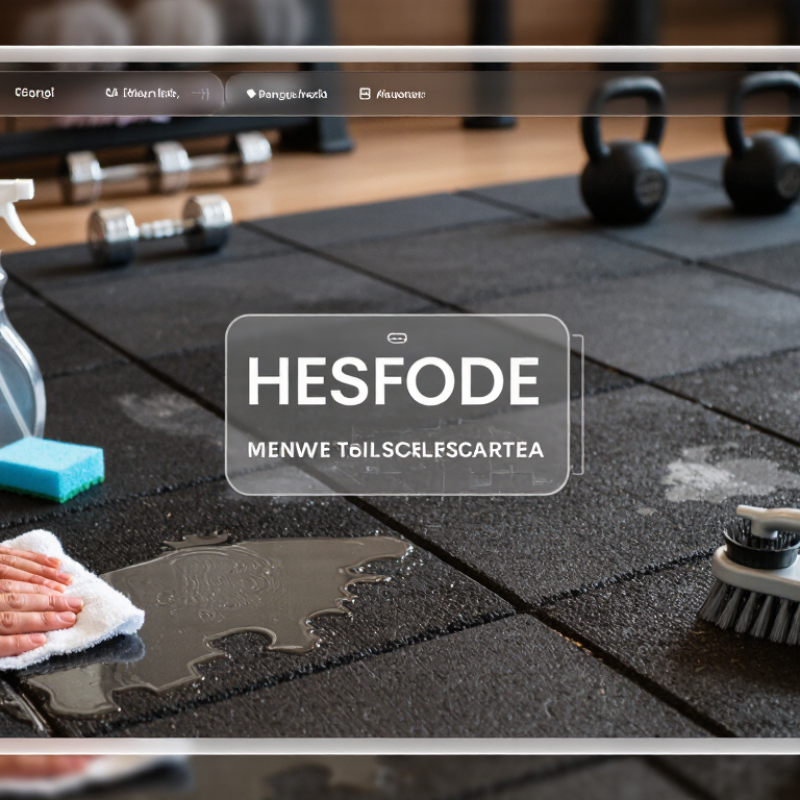
Sweat stains on rubber gym mats often appear as pale rings, dull gray patches, or sticky dark areas. Fresh sweat may leave a thin, glossy film. Older residue can collect dust and create an unpleasant smell. Look closely near lifting stations, edges, and seams. These spots receive repeated contact and dry slowly.
I check the mat before choosing a cleaner. A smooth surface usually needs gentle washing, while deep grooves may hold salt, skin oils, and hair. Press a clean white cloth against the area. If the cloth feels greasy or shows gray marks, the residue needs more than water. Also inspect for peeling, cracks, swelling, or color transfer. Cleaning will not repair damaged rubber. It may expose the damage more clearly.
A practical method is to remove loose dirt with a soft brush, then test a mild, neutral cleaning solution on a hidden corner. Wait several minutes and check for fading, tackiness, or a weakened rubber smell. Never soak mats with damaged edges, because trapped moisture can worsen separation underneath. Wipe small sections with a damp cloth, giving extra attention to textured grooves. Rinse away cleaner residue and dry the mat completely before use. I sometimes underestimate how much moisture remains under thick mats. Lifting one corner helps confirm whether the floor and underside are dry. If a stain remains after gentle cleaning, repeated scrubbing may cause more harm than improvement.
Sweat stains need gentle tools, not aggressive chemicals. Gather nitrile gloves, a clean bucket, microfiber cloths, and a soft nylon brush. Add warm water and a small amount of pH-neutral detergent.
Avoid bleach, ammonia, petroleum solvents, and abrasive pads. They can fade, swell, or weaken rubber surfaces.
The Global Wellness Institute’s 2024 report valued the global wellness economy at $6.3 trillion in 2023.
That growth means more shared fitness spaces require careful surface maintenance. The CDC advises cleaning surfaces before disinfection, because dirt can reduce disinfectant performance. Check the mat manufacturer’s care instructions before adding any disinfectant.
When unavailable, test your solution on a hidden corner first. I once used too much detergent on a rubber mat. The surface stayed sticky and collected dust. That mistake changed my routine.
Now I measure the detergent, use a barely damp cloth, and rinse with clean water. Sweat leaves salt, skin oil, and odor compounds behind.
A soft brush loosens residue from raised textures without tearing the rubber.
Keep a second dry towel nearby. Dry the mat fully with airflow, not direct high heat.
Avoid soaking the seams. Moisture trapped underneath can encourage odor and surface deterioration.
Sweat stains on rubber gym mats should be treated after surface dirt is removed. I learned this the hard way. Rubbing a dusty mat spreads grit into its pores and creates a dull, sticky film. The CDC explains that cleaning removes dirt and impurities before disinfection, making this step essential for safer surfaces. Use a dry microfiber mop first. Then wipe the mat with warm water and a small amount of pH-neutral detergent. Avoid soaking it. Excess water can collect beneath the mat and encourage odor.
Sweat is roughly 99% water, but the remaining salts, proteins, and acids can dry into pale rings. This composition is reported in a peer-reviewed review published in Temperature. After loose dirt disappears, apply the cleaning solution with a soft nylon brush. Work in small circles, especially around seams and textured areas. Let the solution sit briefly, not until it dries. Rinse with a clean, damp cloth, then dry the mat completely. A 2024 U.S. Environmental Protection Agency Safer Choice standard also supports selecting cleaners with evaluated human-health and environmental criteria. Strong chemicals are not automatically better.
Tips: Test a hidden corner first. Do not mix cleaners. Use separate cloths for floors and equipment. I sometimes leave a faint mark after one pass; that is a reminder to repeat gently rather than scrub aggressively. Inspect the mat after drying, because wet rubber can hide residue.
| Step | Cleaning Stage | Recommended Action | Materials and Mixture | Typical Contact Time | Rinsing and Drying | Important Precautions |
|---|---|---|---|---|---|---|
| 1 | Clear the Area | Remove equipment, loose objects, and movable debris from the mat. Open doors or windows when practical to improve ventilation. | Clean towel, dustpan, or vacuum suitable for hard flooring. | 2–5 min | Not required. Keep the surface accessible for the next step. | Avoid dragging heavy equipment across the mat, because friction can damage the surface. |
| 2 | Remove Surface Dirt First | Vacuum or sweep the entire mat, paying attention to textured grooves where grit and hair collect. | Soft-bristle broom or vacuum with a non-abrasive floor attachment. | 5–10 min | Make sure loose grit is removed before wet cleaning. | Do not scrub dry grit into the rubber, as abrasive particles may create fine scratches or dull the finish. |
| 3 | Prepare a Mild Cleaner | Mix a small amount of mild, pH-neutral dish detergent with warm water. Use only enough detergent to create light cleaning action without leaving a heavy residue. | Approximately 1 teaspoon of mild detergent per 1 gallon (3.8 liters) of water. | 1–2 min | Prepare fresh solution when the water becomes visibly dirty. | Avoid bleach, ammonia, petroleum solvents, strong acids, and highly concentrated degreasers unless the mat manufacturer specifically approves them. |
| 4 | Clean the Surface | Dip a microfiber mop or soft cloth into the solution, wring it well, and clean the mat in small sections. Do not flood the flooring. | Mild detergent solution, microfiber mop, or soft nylon brush for textured areas. | 3–5 min per section | Keep excess water away from seams and edges. | Test the solution on a small hidden area first, especially on colored or recycled-rubber mats. |
| 5 | Treat Sweat Stains | Apply the mild solution directly to visible white, yellowish, or darker sweat marks. Gently agitate with a soft brush using overlapping strokes. | Fresh mild detergent solution and a soft nylon or microfiber brush. | 3–5 min | Do not allow the solution to dry on the mat. | Use gentle pressure; aggressive scrubbing can change the texture or sheen of rubber. |
| 6 | Rinse Away Residue | Wipe the treated areas with a clean cloth dampened with plain water. Repeat until no slippery detergent film remains. | Clean water and a separate microfiber cloth or mop. | 1–3 min per section | Use minimal water and collect runoff promptly. | Detergent residue can attract dust and make the mat feel slippery, so rinsing is an important part of the process. |
| 7 | Dry Completely | Wipe off standing moisture and allow the mat to air-dry before returning equipment or allowing athletic activity. | Dry microfiber towels and fans if available. | 30–120 min | Drying time varies with airflow, humidity, mat thickness, and the amount of water used. | Do not cover or stack damp mats; trapped moisture may contribute to odor and microbial growth. |
| 8 | Inspect and Maintain | Check for remaining discoloration, odor, sticky areas, or lifted edges. Repeat mild cleaning only where necessary. | Clean cloth, soft brush, and a simple maintenance log if the mat is used frequently. | 2–5 min | Confirm the mat is dry, clean, and non-slippery before use. | Persistent odor, mold-like growth, damaged seams, or recurring stains may require professional assessment or replacement of affected sections. |
Sweat stains on rubber gym mats often contain salt, body oils, and bacteria. Start by removing loose dust with a dry microfiber cloth or soft vacuum brush. Mix lukewarm water with a small amount of mild, pH-neutral detergent. Avoid boiling water, abrasive powders, bleach, and solvent-based cleaners. They can dry, fade, or weaken rubber surfaces. Test the solution on a hidden corner before cleaning the whole mat.
Wipe the stained area with a damp cloth, then use a soft nylon brush on textured grooves. Work gently in small circles. Do not flood the mat, especially near seams or edges. Remove soap residue with a clean, damp cloth. For disinfection, choose a product labeled safe for rubber and follow its dilution and contact-time instructions. The surface must stay visibly wet for that period. Never mix cleaning chemicals.
I once scrubbed too hard.
That removed the stain but left a dull patch. A gentler second pass is usually safer than force. After disinfecting, wipe away excess moisture and let the mat air-dry completely in a ventilated space. Keep it away from direct heat and strong sunlight. Inspect the surface before reuse; trapped moisture can encourage odors and mold beneath the mat. If a smell remains, repeat mild cleaning rather than increasing chemical strength. Different rubber compounds react differently, so the manufacturer’s care guidance should take priority when available.
Sweat leaves salt, skin oils, and moisture on rubber gym mats. Over time, these residues create white edges, dull patches, and a sour smell. The Health & Fitness Association’s 2024 Global Report recorded more than 184 million fitness-club members worldwide in 2023. That scale makes consistent mat care essential in busy training spaces.
Start by removing loose dust with a dry microfiber cloth. Mix warm water with a small amount of mild, pH-neutral detergent. Wipe the mat gently, especially around textured grooves.
I once used too much soap and created a sticky film.
More cleaner is not always better.
Rinse the surface with clean water until no foam remains. Do not flood seams or leave water underneath the mat.
Stand the mat upright, or use a clean towel before placing it in moving air. The CDC recommends regular cleaning of shared surfaces, while EPA guidance stresses following a disinfectant’s listed contact time. Never wipe disinfectant away too early. Check the product label for rubber compatibility first.
A 2023 moisture-control report from the Indoor Air Quality Association links persistent dampness with odor and material concerns, although rubber mats vary widely. That limitation matters.
Encourage users to bring clean towels. Inspect corners weekly for trapped moisture. Rotate heavily used mats when practical. Avoid harsh solvents, abrasive brushes, and direct high heat. The routine may feel excessive at first, but neglected salt buildup becomes harder to remove.
Use nitrile gloves, a clean bucket, microfiber cloths, and a soft nylon brush. Add warm water and mild, pH-neutral detergent.
Avoid bleach, ammonia, petroleum solvents, abrasive powders, and rough pads. These products may fade, swell, dry, or weaken rubber.
Wipe the mat with a dry microfiber cloth. A soft vacuum brush can remove dust from textured grooves.
Dampen a cloth with diluted detergent. Wipe small areas gently, then use a soft brush in circular motions.Keep it gentle.
No. Use minimal moisture, especially near seams and edges. Trapped water can cause odors and surface deterioration.
Wipe the surface with a clean, damp cloth. Use a separate dry towel afterward.
Choose a disinfectant labeled safe for rubber. Follow its dilution and contact-time instructions exactly.Never mix chemicals.
Remove excess moisture and let the mat air-dry in a ventilated space. Avoid direct heat and strong sunlight.Airflow works best.
Scrubbing too hard may leave a dull patch. Too much detergent can make the surface sticky and attract dust.I learned this slowly.
Repeat mild cleaning instead of using stronger chemicals. Inspect underneath after drying, because hidden moisture may cause problems.
How to clean sweat stains off rubber gym mats? Start by examining the mat to distinguish fresh sweat marks from built-up grime, discoloration, or possible mold, while checking the manufacturer’s care instructions and the rubber’s condition. Prepare gentle supplies such as warm water, mild soap, a soft brush or microfiber cloth, and a suitable non-abrasive disinfecting solution. Avoid harsh chemicals, rough scouring tools, and excessive moisture, as they may damage the rubber surface or leave it slippery.
First, sweep or vacuum away dust, hair, and loose debris. Then gently scrub the stained areas with the diluted cleaning solution, allowing it to loosen sweat residue without soaking the mat. Wipe the surface thoroughly, rinse away soap and disinfectant with clean water, and dry the mat completely in a well-ventilated area before use. Regularly wiping mats after workouts, improving airflow, and addressing spills promptly can help prevent future sweat stains, odors, and bacterial buildup while extending the mat’s usable life.

PNZ Fitness