Are you seeking ways to extend the life of your resistance bands? If so, you're not alone. Many fitness enthusiasts ask, "How to increase the lifespan of my resistance bands?" Proper care can make a noticeable difference. Resistance bands are versatile, affordable, and effective tools for enhancing your workouts. However, neglecting them can lead to deterioration.
In 2026, understanding their maintenance is essential. Factors like temperature, humidity, and storage impact longevity. For instance, exposing bands to direct sunlight can weaken them over time. Ensuring they are safely stored away from harsh conditions preserves their elasticity. Regular inspections for tears or wear are vital too. A small rip can lead to larger issues if ignored.
Consider integrating mindful practices into your routine. After each use, clean them gently with mild soap. This helps remove sweat and dirt that can cause degradation. Learning how to treat your resistance bands right will transform your workout experience. Adopting these habits can lead to better performance and greater longevity. Embrace these strategies, and you’ll value your bands even more.
Resistance bands come in various types, including flat bands, tube bands, and loop bands. Each type offers different levels of resistance, making them suitable for various workouts. Flat bands are often used for rehabilitation and gentle stretching. Tube bands typically feature handles, providing a more stable grip for strength training. Loop bands are popular for lower body exercises, maximizing glute activation. Understanding these types helps you select the right band for your workout needs.
Durability is influenced by several factors. Storage conditions play a critical role. Avoid exposing bands to direct sunlight and extreme temperatures. High humidity can degrade the material faster. Consider the frequency of use as well. Overusing bands or using them for exercises outside their intended purpose can lead to quicker wear. Regularly inspect your bands for signs of wear and tear. Look for frays, tears, or changes in elasticity. Reflecting on how you treat your equipment can ultimately extend its life.
To extend the life of your resistance bands, proper storage is crucial. Avoid leaving them in direct sunlight or in damp areas. Exposure to harmful elements can lead to deterioration. Instead, opt for a cool and dry space. A drawer or storage bin works well. Consider using a fabric pouch. This can prevent them from tangling and avoid unnecessary stretching.
Avoid placing heavy objects on top of your resistance bands. This can create imprints and permanent damage. Rolling them instead of folding can help maintain their shape. It's a simple act that many overlook. Regularly inspect your bands for wear and tear. This proactive approach can save you from sudden breakage during workouts.
An organized storage solution also prevents accidental damage. You might forget where you left them, leading to misplaced bands. Even small wear can compromise your workout. Remember, a little care goes a long way. Have a dedicated spot for your fitness gear. This will ensure you always find your bands in top condition.
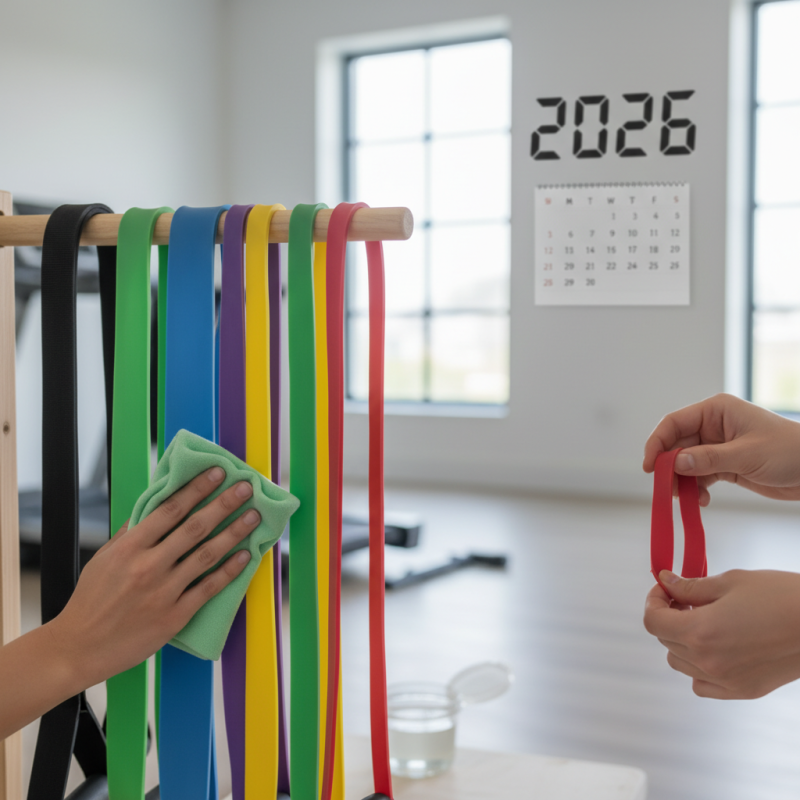
Cleaning and maintaining your resistance bands is crucial for their longevity. Start by wiping down your bands after each use. Use a mild soap mixed with water and a soft cloth. Gently scrub away any sweat or dirt. This practice helps prevent degradation. Make sure to dry them thoroughly to avoid mold growth.
Storing your resistance bands properly is just as important. Avoid leaving them in direct sunlight or in damp places. A cool, dry environment is ideal. Consider using a storage bag or container to keep them organized. Regularly inspect your bands for any signs of wear. Look for cracks or tears. Keeping track of these issues helps you take action before they worsen. While no method is perfect, these tips can significantly extend the life of your resistance bands.
Resistance bands are popular for their versatility and effectiveness in workouts. However, proper usage is crucial to prevent breakage. A report by the National Strength and Conditioning Association highlights that improper handling can reduce the lifespan of these tools by up to 50%. Users should be aware of their bands' limits. Overstretching bands can lead to sudden snaps and injuries.
To avoid these risks, always inspect your bands before each use. Look for signs of wear, fraying, or discoloration. Research indicates that 30% of injuries from resistance bands occur due to unnoticed damage. Adjust tension according to your strength level. This not only protects your equipment but also enhances your workout efficiency.
When performing exercises, maintain controlled movements. Erratic or fast movements increase stress on the bands, contributing to fatigue. Additionally, ensure that the anchor points are secure. A study showed that a secure anchor reduces the risk of accidental band release by 40%. Be mindful, as dismissing these precautions can lead to injuries and equipment failure. Caring for your resistance bands means respecting their limitations while maximizing their potential.
Resistance bands can be a valuable addition to your workout routine, but they wear out over time. Recognizing signs of wear is crucial for maintaining their effectiveness. According to a 2023 fitness report, many users replace their bands every 6 to 12 months, depending on frequency of use and care.
Look out for any visible tears or fraying on the band. These signs indicate that the material is deteriorating. Furthermore, if your band loses elasticity, it may not provide sufficient resistance. A distorted shape after use suggests it’s time for a replacement. In a recent industry survey, 45% of fitness enthusiasts reported experiencing decreased performance due to worn bands.
Tips: Store your resistance bands in a cool, dry place. Avoid direct sunlight, as UV rays can degrade the material. Regularly inspect your bands for signs of wear. Don’t ignore subtle changes in resistance. Relying on compromised bands can lead to ineffective workouts or injuries. Keep a replacement schedule based on your usage patterns to maintain optimal training efficiency.
This chart displays the average lifespan of resistance bands based on different usage frequencies. It helps to identify when it's time to replace your bands to ensure optimal performance.
: Resistance bands include flat bands, tube bands, and loop bands. Each type offers varying resistance levels for workouts.
Store bands in a cool, dry area. Avoid direct sunlight and humidity to prevent material degradation.
Wipe down bands after each use with mild soap and water. Use a soft cloth for gentle scrubbing.
Bands should be replaced every 6 to 12 months, based on how often they are used and their care.
Look for tears, fraying, or loss of elasticity. A distorted shape can also signal the need for replacement.
Yes, overuse or using bands for incorrect exercises can lead to quicker wear and tear. Regular inspection is vital.
Proper maintenance, like cleaning and storage, helps prevent degradation and extends the lifespan of the bands.
Check for visible damage, changes in shape, or decreased resistance. Ignoring these signs can lead to injuries.
Use a storage bag or container to keep bands organized. This helps in maintaining their condition and longevity.
Yes, avoid exposing bands to extreme temperatures or using them in unintended ways, which can lead to faster deterioration.
To learn how to increase the lifespan of my resistance bands, it's essential to understand their types and the factors that affect their durability. Proper storage techniques, such as keeping them in a cool, dry place away from direct sunlight, can significantly prevent wear and tear. Additionally, adopting best practices for cleaning, like using mild soap and water, helps maintain the integrity of the bands.
Safety during workouts is crucial; always inspect the bands for signs of wear before use to avoid breakage and injury. By being attentive to any signs such as fraying or discoloration, you can determine when it's time to replace your bands. Following these guidelines will ensure that your resistance bands remain effective and usable for a longer time, allowing for a consistent fitness routine.

PNZ Fitness