Maintaining a safe home gym is vital for preventing injuries and ensuring optimal performance. One of the often-overlooked aspects is bolt inspections. You might wonder, “How often should I check the bolts on my home gym?” Industry experts recommend that gym owners conduct regular inspections, typically every 1 to 3 months, to ensure that all components are secure.
According to a report from the American Council on Exercise, regularly checking equipment can significantly reduce the risk of accidents. Inadequate maintenance can lead to malfunctioning equipment, which accounted for 30% of gym-related injuries in a 2022 study. Bolts, being critical for stability, should not be neglected. Over time, vibrations during workouts may loosen them, posing safety hazards.
Furthermore, it’s essential to learn from past mistakes. Many users have faced issues due to delayed inspections. Relying solely on visual checks is not enough. A more hands-on approach is necessary. A recorded maintenance schedule, noting inspection dates and any changes made, can enhance reliability. Regular checks reinforce both safety and longevity of your equipment.
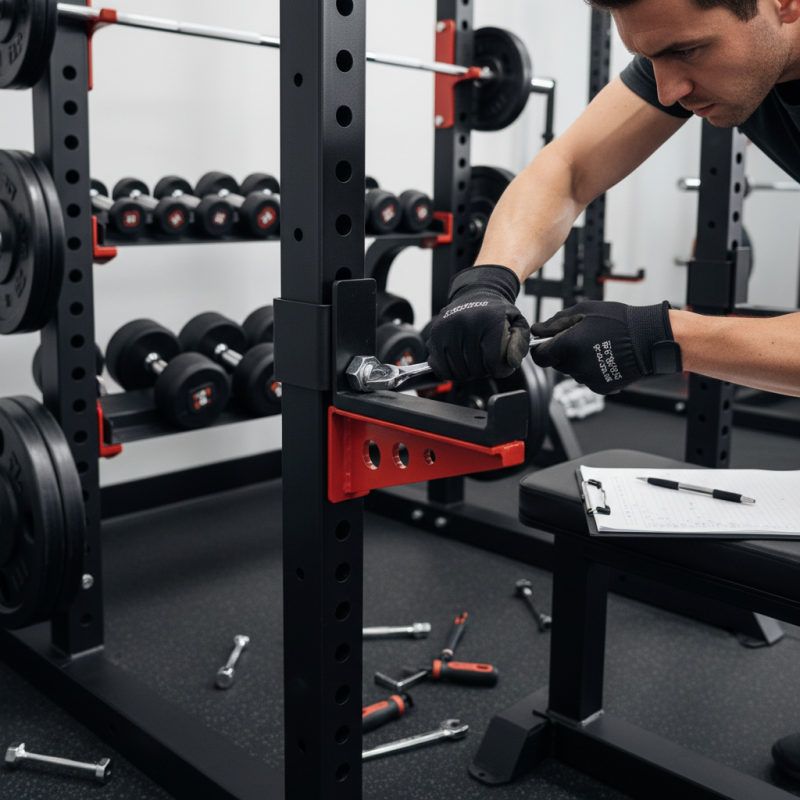
When it comes to maintaining a home gym, regular inspections of bolts are crucial. These small components play a significant role in ensuring the safety and stability of your equipment. Over time, bolts can become loose or damaged due to constant movement and stress. Therefore, checking them frequently is essential to avoid accidents.
Consider dedicating a specific day each month to inspect your equipment. Look for signs of wear, such as rust or bending. Tighten any loose bolts you find during your inspection. Don’t underestimate small issues; they can lead to bigger problems. A bolt that appears slightly loose may compromise the integrity of an entire workout station. Regular attention avoids the risk of injury during your workouts.
It can be easy to forget about inspections, especially in a busy routine. However, think of the potential consequences of overlooking them. A single oversight can disrupt your workout and pose safety hazards. It’s a small task that can lead to a safer and more reliable training experience.
Inspecting the bolts on your home gym is crucial for safety and performance. Each piece of equipment has unique stress levels, which impacts how often you should check its components. For weight benches and squat racks, a thorough inspection every month is advisable. Look for any signs of wear or looseness. Bolts can rust or loosen due to frequent use, compromising safety.
For machines like treadmills or stationary bikes, every two months is generally sufficient. Pay special attention to the attachment points and moving parts. A small issue today can lead to bigger problems later. Checking these areas ensures your equipment runs smoothly.
High-impact equipment, such as free weights and cables, should be inspected weekly. The constant strain can lead to unexpected failures if not monitored closely. It’s easy to overlook these details. Remember, a small oversight could lead to injury. Make inspection a part of your routine, ensuring a safer workout.
Inspecting bolts in your home gym is crucial for safety. Common signs of wear or damage can prevent accidents. Look for rust on bolts. This indicates moisture exposure, which can weaken the metal. If you notice rust, it’s time for replacement. According to the American Society of Mechanical Engineers, rust can reduce a bolt's strength by up to 50% over time.
Check for any visible cracks or deformation in the bolts. These issues may arise from excessive stress or poor installation. The National Institute for Occupational Safety and Health warns that even small cracks can lead to significant failure under load. Tightness is another factor to assess. Bolts can loosen over time due to vibration or wear. A loose bolt may not be immediately noticeable, but it can compromise the entire structure.
Another key detail is corrosion. This can happen in humid environments. Once corrosion occurs, the integrity of the bolt diminishes. Experts recommend performing visual inspections every month. Professional guidelines suggest a deeper inspection every 6 months. Observing these signs can help maintain your home gym’s safety. Regular checks can identify issues before they escalate.
Inspecting the bolts in your home gym is crucial for safety and performance. You need to use the right tools and methods for effective inspections. Start with a basic tool kit: a torque wrench, socket set, and a visual inspection mirror. These tools allow you to gauge tightness and identify wear without extensive equipment.
When checking bolts, pay attention to rust or corrosion, which can indicate potential failure. A visual inspection is just the beginning. Use your torque wrench regularly to ensure bolts haven’t loosened over time. Aim for a consistent schedule. Even minor changes in equipment use can alter how often you need to check.
Try not to overlook the importance of documenting each inspection. Keeping a log helps you track when and where issues arise. A simple notebook or digital app can suffice. You may find that some areas need more frequent checks due to high usage. Reflect on your workout routine; does it put extra strain on certain bolts? Adjust your inspection frequency based on real experiences, not just a guideline.
Maintaining the bolts in your home gym is crucial for safety and performance. Regular inspections can prevent accidents and ensure your equipment functions as intended. Loose or worn bolts can lead to serious injuries. It’s important to establish a routine for checking these components.
Check your bolts at least once a month. Look for rust, wear, or unusual movement. Tighten any loose bolts immediately. This proactive approach can prevent equipment failure during workouts. Consider marking the inspection dates in your calendar to keep track.
Another tip is to use a torque wrench. This tool ensures that bolts are tightened to the manufacturer's specifications. Incorrectly tightened bolts can compromise equipment safety. If you hear strange noises or feel instability while exercising, inspect the bolts right away. Don’t ignore these signs; they may indicate potential issues.
Finally, ensure that you have the right tools on hand. Having a basic toolkit will make inspections quicker and more effective. Equipment maintenance doesn’t have to be perfect, but it should be consistent. Even small lapses can be dangerous, so prioritize regular checks.
: Regular inspections ensure safety and stability in your equipment, preventing accidents during workouts.
Inspect the bolts on weight benches and squat racks every month for wear or looseness.
Look for rust, bending, or any unusual movement. These could indicate potential issues.
Check the bolts on these machines every two months to maintain their performance and safety.
Inspect high-impact equipment like free weights weekly to avoid unexpected failures during use.
Mark inspection dates on your calendar and set reminders to develop a consistent routine.
A basic toolkit and a torque wrench are essential for effective inspections and proper tightening.
Inspect the bolts immediately, as unusual noises may indicate loose or worn components.
Yes, even small oversights can lead to injuries or equipment failures, so prioritize regular checks.
No, but consistency in maintenance is crucial. Regular checks can prevent dangerous situations.
Regular inspections of bolts in your home gym are crucial to ensure safety and equipment longevity. The question "How often should I check the bolts on my home gym?" is essential for maintaining a safe workout environment. It's recommended to inspect bolts monthly for frequently used equipment and quarterly for less frequently used items. Look for common signs of wear or damage, such as rust, cracks, or unusual movement, as these can indicate potential problems.
Effective inspection methods include using the right tools, such as torque wrenches and visual checks, to assess the condition of each bolt. Additionally, maintaining a proactive approach involves following safety tips, like keeping equipment clean and ensuring that bolts are properly tightened. By making bolt inspections a routine part of your home gym maintenance, you can prevent accidents and ensure that your equipment remains in optimal condition.

PNZ Fitness