When setting up a home gym, many overlook the potential damage to hardwood floors. Protecting these surfaces is crucial for preserving their beauty and durability. Renowned flooring expert, John McCarthy, often advises, “The right precautionary measures can save your hardwood floors from irreversible damage.” This brings us to the essential question: How to prevent gym equipment from damaging hardwood floors?
Gym equipment can exert significant pressure on floors. Treadmills and weights can easily scratch and dent wood. Heavy machines may cause long-term structural issues, leading to costly repairs. It is a challenge many homeowners face when balancing fitness and floor care. Effective strategies include using mats or protective covers. These solutions create a buffer, minimizing direct contact with wood.
Additionally, be mindful of equipment placement. Avoid high-traffic areas where damage is more likely. Regular maintenance, such as cleaning, is vital to remove dirt that can cause scratches. While it may seem tedious, being proactive ensures lasting beauty. Ultimately, understanding how to prevent gym equipment from damaging hardwood floors is key to a harmonious home gym experience.
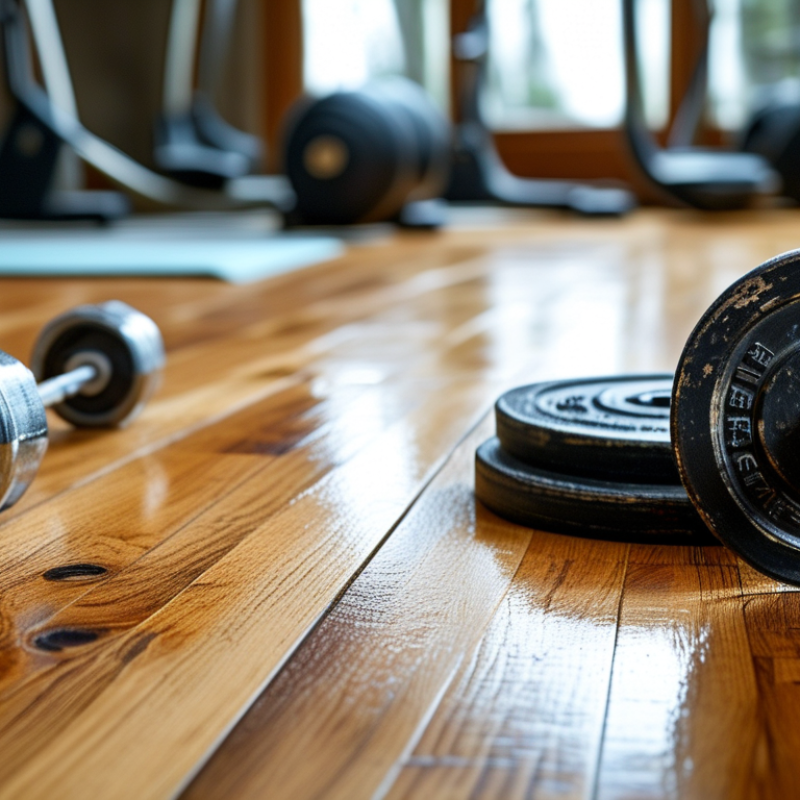
When it comes to gym equipment and hardwood floors, understanding the potential damage is crucial.
Heavy weights, for instance, can leave dents or scratches on the floor's surface. The weight can distribute unevenly, causing stress on specific areas. This might seem minor initially, but over time, grooves and imperfections may develop. These flaws can compromise the aesthetic appeal of the wood.
Moreover, gym mats often trap moisture and sweat underneath. This accumulation can damage the wood over time, leading to warping or discoloration. Even a minor spill can become a long-term problem if not addressed quickly. Consider the environment where you place your equipment.
The impact of constant movement can also wear down the finish on your hardwood floors. Regular maintenance and vigilant care are required to preserve the wood's integrity.
Many homeowners overlook the importance of protective measures. Use pads under equipment legs to minimize direct contact with the floor. Regularly inspect both the equipment and the floor for signs of wear. This habit fosters a healthier relationship between your fitness routine and the flooring. Neglecting these details can lead to unsightly damage that might be costly to repair.
Choosing the right flooring material for home gyms is essential in protecting hardwood floors. Many individuals overlook this aspect. Reports suggest that gym equipment can create significant wear and tear. For instance, heavy weights can lead to dents and scratches. A study by the National Wood Flooring Association indicates that over 80% of homeowners face floor damage from equipment.
When selecting flooring options, consider more than just aesthetics. Rubber and foam tiles are popular. They provide cushioning and absorb impact, which can mitigate damage. Another option is vinyl plank flooring. It is resilient and water-resistant. This can help in case of spills from water bottles or sweat. According to industry guidelines, thicker materials offer better protection but can be more expensive.
Some homeowners mistakenly believe that their hardwood floors can withstand gym activities. However, a survey revealed that 70% of homeowners experienced damage within the first year. Regular maintenance is crucial, but it’s not always enough. Many people underestimated the long-term effects of gym use on their floors. Understanding these risks is vital for preserving the integrity of your home.
Protecting hardwood floors from gym equipment damage requires careful planning and effective measures. The weight of gym machines can create dents and scratches. Studies show that heavy equipment can exert pressure exceeding 300 psi, which can be detrimental to hardwood.
Using protective mats is among the most effective solutions. High-density foam or rubber mats can absorb shock and protect the floor underneath. They come in various designs and are easy to clean. Additionally, placing pads under the legs of treadmills or benches can minimize direct contact, reducing the risk of damage. Reports indicate that using mats can decrease wear by up to 60%.
Regular maintenance is crucial. Cleaning hardwood floors weekly helps remove dust and grit that may lead to scratches. Ensure that the cleaning products used are compatible with wood surfaces. Monitoring the gym area for any equipment that might wobble or shift can prevent unexpected damage. Consider rearranging heavier equipment regularly to distribute weight evenly. This not only helps in maintaining the floor but also serves as a reminder to check for wear and tear consistently.
Using equipment pads and mats is an effective way to protect hardwood floors from gym equipment damage. These accessories absorb shock and reduce vibrations caused by heavy machines. They can prevent scratches and dents, preserving the floor's beauty. A thick mat can cushion the impact from weights dropped during workouts. Installing these mats is simple but crucial for long-term maintenance.
Different types of mats cater to various gym needs. Some mats are specifically designed for cardio machines, while others are better suited for free weights. Measuring the space where the equipment will sit ensures that the mat fits well. However, not all mats are created equal. It's essential to research the most reliable materials for flooring protection.
Over time, mats can wear out or slide around. Regular assessments help maintain their effectiveness. Users should also consider the aesthetic aspect; some mats may clash with existing decor. Finding a balance between function and style can be challenging. It's important to commit to regular care to prevent any damage to valuable hardwood floors.
Regular maintenance is crucial for preserving hardwood floors, especially when you have gym equipment at home. Firstly, it's essential to clean your floors frequently. Dust and dirt can scratch the surface over time. A study by the National Wood Flooring Association shows that proper maintenance can extend the life of hardwood by up to 30%. Using a soft broom or a vacuum with a hardwood specific attachment can prevent debris buildup.
Additionally, consider applying protective finishes. A protective coat can shield your hardwood from scuffs and dents caused by heavy gym equipment. Regularly inspecting the floors for signs of wear is also key. If you notice any scratches or damages, address them quickly to avoid further deterioration. According to the American Institute of Architects, untreated scratches can lead to an accelerated deterioration of the wood.
Protective mats under gym equipment can alleviate some of the pressure on your floors, yet they are not a foolproof solution. The weight of fitness machines can still create indentations. Some users report that even the best mats do not eliminate all issues. Therefore, find a balance between equipment usage and floor care. Regularly reviewing your floor's condition and making adjustments to your routine can help maintain its beauty and longevity.
| Protection Method | Description | Frequency | Estimated Cost |
|---|---|---|---|
| Use Floor Mats | Place mats under gym equipment to absorb impact and reduce wear. | As needed | $30 - $100 |
| Regular Cleaning | Sweep and mop regularly to remove dirt and grit that can scratch floors. | Weekly | Minimal |
| Apply a Protective Finish | Use a polyurethane finish to shield the wood from scratches and spills. | Every 3-5 years | $200 - $500 |
| Adjust Equipment Weight | Ensure that heavy weights are not used excessively to prevent floor damage. | Always | N/A |
| Use Furniture Sliders | Place sliders under gym equipment to easily move them without scratching. | As needed | $10 - $30 |
: Heavy weights can leave dents or scratches on the floor. The weight distribution causes stress in specific areas.
Gym mats can trap moisture and sweat, leading to warping or discoloration of wood floors over time.
Constant movement can wear down the finish on hardwood floors, risking long-term damage to their appearance.
Use pads under equipment legs to reduce contact with the floor. Regular inspections can catch wear early.
They absorb shock and reduce vibrations, preventing scratches and dents from heavy machines and dropped weights.
No, some mats are designed for specific equipment. It's essential to research and choose the right material.
Worn mats lose effectiveness and might expose the floor to damage from equipment. Regular assessments are necessary.
Some mats may not match your decor. Finding mats that blend with your home's aesthetic is often challenging.
Consistent maintenance extends the life of mats and ensures they continue to protect the hardwood floor effectively.
Homeowners may neglect the inspection of equipment and floors, leading to costly damage from minor wear.
In the pursuit of a home gym, many people overlook the potential damage that gym equipment can cause to hardwood floors. Understanding the impact of heavy weights and exercise machines is crucial for homeowners who want to maintain their flooring. To answer the question of how to prevent gym equipment from damaging hardwood floors, it's essential to choose the right flooring material and implement protective measures tailored to your space.
Using equipment pads and mats can significantly reduce pressure and friction, offering a barrier between the gym equipment and hardwood floors. Additionally, regular maintenance, such as cleaning and refinishing, is vital in preserving the integrity of hardwood surfaces. By taking these necessary precautions and being mindful of the equipment used, you can ensure that your gym setup will not compromise the beauty and longevity of your hardwood floors.

PNZ Fitness