Top 10 Tips for Using a Massage Gun for Post Workout Recovery?

Time:2026-05-25 Author:Henry
0%

Using a massage gun for post-workout recovery can significantly enhance your overall performance. According to Dr. Amy Hughes, a renowned sports physiotherapist, "Incorporating a massage gun can accelerate muscle recovery and alleviate soreness." Understanding how to use a massage gun for post-workout recovery effectively is crucial for athletes and fitness enthusiasts alike.

Massage guns function by delivering percussive therapy to muscles. This technique stimulates blood flow, breaks down lactic acid, and reduces muscle tension. However, it's essential to apply the device correctly. Overuse or improper technique can lead to injuries. Many users may push too hard or focus on one area for too long, which can be counterproductive. Striking a balance is key.

Before starting your recovery routine, be informed about the dos and don'ts. A well-structured approach can maximize benefits. The right settings and technique can make a substantial difference. It's about finding your comfort level while ensuring effectiveness. Embrace the process; it requires practice and adjustment.
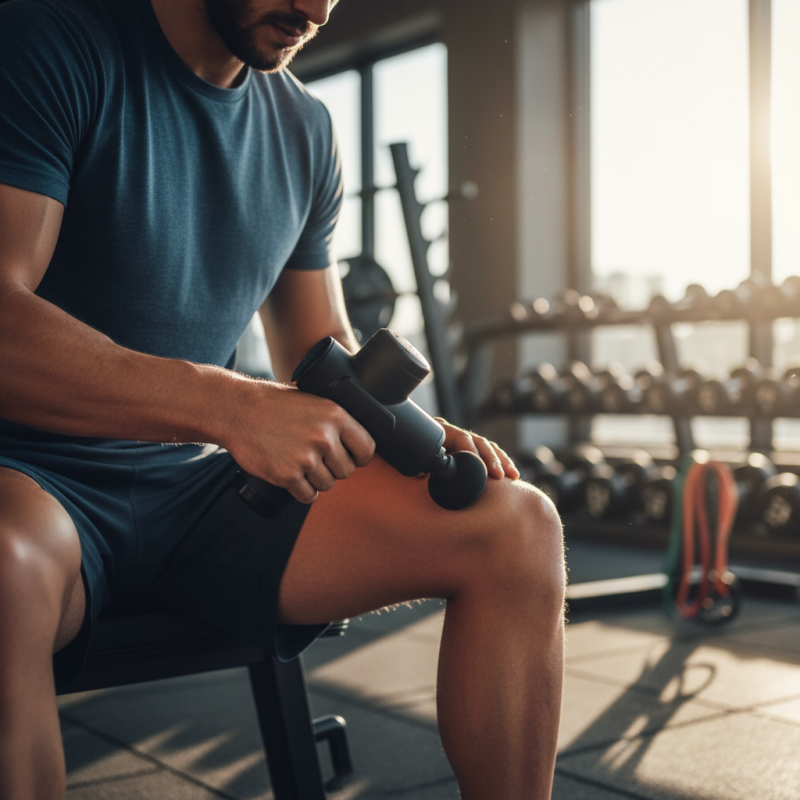
Top 10 Tips for Using a Massage Gun for Post Workout Recovery?

Understanding the Basics of Massage Guns and Their Benefits

Massage guns have gained popularity among athletes and fitness enthusiasts. Understanding their basics is vital for effective use. These devices employ percussive therapy, delivering rapid strokes to targeted muscles. This mechanism increases blood flow, reducing soreness and promoting quicker recovery. The experience can vary; what feels right for one person may not work for another.

When using a massage gun, focus on muscle groups that feel tight. Start slowly and listen to your body. If it hurts, you are likely applying too much pressure. Common issue areas include the quads, calves, and back. Experimenting with different attachments can improve your routine. Some people prefer softer heads, while others like firmer ones.

Setting a time limit for each session can help prevent overstimulation. Often, users inadvertently overdo it because they enjoy the feeling. Cut back if your muscles feel irritated after use. Mindfulness can enhance the experience. Pay attention to how different areas respond. Reflecting on these sessions will help you maximize benefits.

Top 10 Tips for Using a Massage Gun for Post Workout Recovery

Tip Number Tip Description
1 Choose the Right Attachment Different attachments target various muscle groups. Select one that suits your needs.
2 Start with Low Speed Begin with a lower speed to gently warm up the muscles before increasing intensity.
3 Focus on Sore Areas Identify tight or sore spots and spend additional time on them for effective relief.
4 Use it Post-Workout Incorporate the massage gun into your cool down routine to improve recovery.
5 Avoid Bony Areas Do not use the massage gun on bony areas to prevent discomfort and injury.
6 Keep it Moving Move the gun slowly over muscle groups rather than keeping it in one spot for too long.
7 Stay Hydrated Drink water before and after using the massage gun to aid muscle recovery.
8 Limit Use to 1-2 Minutes per Muscle Group Prolonged use on the same area can lead to bruising; keep the application time short.
9 Listen to Your Body If you feel pain or discomfort, stop using the device immediately.
10 Consult a Professional if Needed If you have pre-existing conditions, consult a healthcare provider before use.

Choosing the Right Massage Gun for Your Recovery Needs

Choosing the right massage gun is crucial for effective post-workout recovery. Not all massage guns are suitable for every athlete or workout type. You should assess your specific needs before making a choice. For example, lighter models are ideal for sensitive areas, while more powerful options offer deep tissue relief.

Consider the gun's speed settings and attachments. Multiple speeds can target various muscle groups effectively. Different attachments help address specific sore spots. Experimentation may be necessary. You might find that a softer attachment works better on sore muscles, while hard ones are more effective for knots.

Don’t overlook weight and portability. A heavier device might provide excellent power but can be cumbersome to use. Finding a balance between strength and convenience is essential. Reflect on your experience with different models. The right choice can enhance recovery, while the wrong one may lead to frustration and inadequate relief. Pay attention to how your body feels after each session. Adjust your approach as needed.

Best Techniques for Using a Massage Gun After Workouts

Using a massage gun effectively after workouts can enhance recovery and reduce muscle soreness. Research shows that 30% of athletes report faster recovery times with proper use of these devices. To maximize benefits, focus on technique. Start with lower speeds on sore areas. This allows muscles to adapt to the sensation without causing pain.

Target specific muscle groups for 15-30 seconds. For example, concentrate on the calves and quads after a leg workout. Gradually increase intensity based on comfort. Avoid critical areas like joints and bones to prevent injury. Always listen to your body. If discomfort arises, adjust pressure or duration.

Pay attention to timing as well. Using a massage gun immediately post-workout can activate lymphatic flow. In a 2020 study, athletes who used massage guns reported a 25% decrease in muscle soreness over the following days. Experiment with frequency, aiming for up to three times a week. This will help to maintain muscle readiness without overdoing it. Ultimately, incorporate listening to your body as a key aspect of your recovery strategy.

Top 10 Tips for Using a Massage Gun for Post Workout Recovery

Timing and Duration: How Long to Use a Massage Gun Effectively

Using a massage gun can greatly enhance your post-workout recovery. However, timing and duration are crucial for maximizing its benefits. Start using the massage gun within 30 minutes after exercising. This immediate relief helps in reducing muscle soreness. Aim for about 10 to 15 minutes of use per session. This timeframe allows your muscles to relax without overdoing it.

Adjust the pressure according to your comfort levels. Not every session needs to be intense. Sometimes lighter pressure is more effective, especially on sensitive areas. Pay attention to your body’s responses. If a certain area feels more painful, it is worth spending extra time there, but be cautious. The goal is relief, not discomfort. A reasonable rule is to target each muscle group for two to three minutes. It’s a balance between effectiveness and not pushing your limits too far.

Safety Tips to Keep in Mind While Using a Massage Gun

Using a massage gun is a popular recovery method among athletes. However, safety should always be a priority. Research from the American Physical Therapy Association suggests that improper usage can lead to muscle soreness or injury. Always start with a lower intensity. This allows your body to adjust. Gradually increase the pressure as tolerated.

It's essential to avoid bony areas and joints. Focus on muscle groups like quads or hamstrings. Prolonged use on the same spot can lead to bruising. The National Academy of Sports Medicine recommends using the massage gun for no more than two minutes on one area. Pay attention to your body’s response. If you feel pain, stop immediately.

Hydration is crucial after using a massage gun. It aids recovery and reduces muscle soreness. Many athletes overlook this. Incorporating proper hydration can enhance recovery significantly. Besides hydration, ensure proper grip and posture when using the device. This can prevent strain on your wrists and arms, reducing the risk of overuse injuries. Always listen to your body, and don’t push through the pain.

FAQS

: What is a massage gun used for?

: A massage gun uses percussive therapy to increase blood flow and reduce muscle soreness.

How do I start using a massage gun?

Focus on tight muscle groups. Start slowly and adjust pressure based on your comfort.

How long should I use a massage gun per session?

Aim for 10 to 15 minutes per session to avoid overstimulation.

What should I do if it hurts while using the massage gun?

Stop immediately. If it causes pain, you might be applying too much pressure.

How can I prevent injuries while using a massage gun?

Avoid bony areas. Limit use to two minutes on one spot to reduce bruising risk.

When is the best time to use a massage gun?

Use it within 30 minutes after exercising for optimal muscle recovery.

Is hydration important after using a massage gun?

Yes, staying hydrated helps reduce muscle soreness and enhance recovery.

Can different attachments change the experience?

Yes, experimenting with attachments can significantly alter how your muscles respond.

Should I always use high intensity?

No, lighter pressure can be more effective, especially on tender areas.

How do I know if I’m overdoing it?

If muscles feel irritated afterward, cut back on usage. Reflect on your sessions.

Conclusion

Massage guns have become increasingly popular for enhancing post-workout recovery, offering several benefits such as improved blood flow and muscle relaxation. To effectively answer the question, "How to use a massage gun for post-workout recovery?", it is essential to understand the basics of massage guns and select the right one suited to your recovery needs.

Utilizing best techniques after workouts, including targeting specific muscle groups and employing varying speeds, can maximize effectiveness. Additionally, it's crucial to consider timing and duration; using the massage gun for about 10-15 minutes post-exercise can yield great results. Lastly, ensuring safety while using the device, such as avoiding bony areas and staying attentive to your body's responses, will help you achieve optimal benefits without risking injury.

Henry

Henry

Henry is a dedicated marketing professional with a profound expertise in the company's offerings. With years of experience in the industry, he possesses an impressive understanding of the market dynamics and consumer behaviors that drive success. Henry is committed to sharing his insights through......